Showing posts with label holidays. Show all posts

Tuesday, February 14, 2017

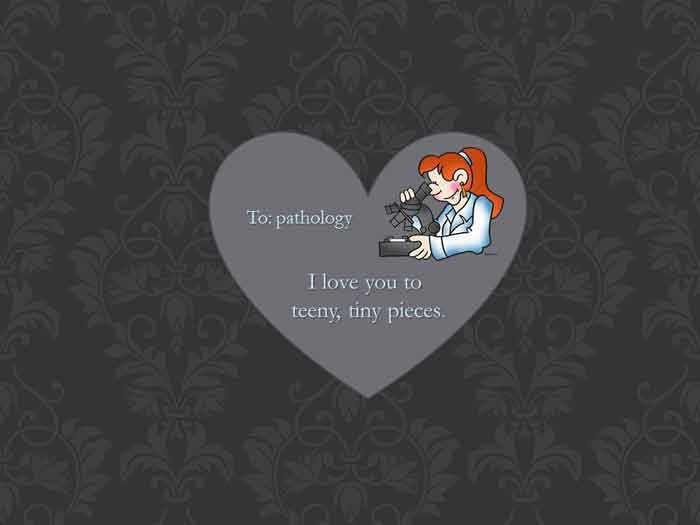
Like a Tardigrade, My Love For You Will Never Die

How could I pass up a Valentine's Day without posting some wonderfully sciency V-day cards and comics?

From: Tiny Snek Comics

via FB; credit unknown

From: Sketching Science


From: National Geographic Channel


From: Trust me, I'm a "Biologist"; comic credit: Nick Uhlig


From: Trust me, I'm a "Biologist"; comic credit unknown


From: Entomology Memes

From: Fake Science


From: The Upturned Microscope


From: Gomer Blog


From: Science Friday


From: Science Friday


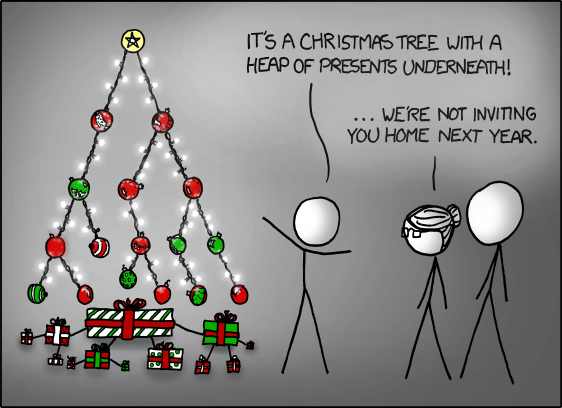
From: xkcd


Saturday, February 13, 2016

Where Are My Chocolates?: The Role of Gift Giving on Valentine's Day


I think that the day after Valentine’s Day is actually the best. After all, chocolate is 50 percent off. However, using the holiday as an excuse to delve into the myriad of studies that attempt to explain the complexity of human attraction and relationships is pretty fun. Last year I examined moves, specifically some fly dance moves and rather cheesy pick-up lines. Today, I think I’ll explore gift giving.

In the field of animal behavior, gift giving (or nuptial gifts) is practically its own subdiscipline, particularly in insects. These gifts are typically food items (but sometimes are inedible tokens) presented from the male to the female during courtship. They may be to show the female that he is worth her time, show how healthy the he is, how good a provider he can be, or simply to keep her distracted from eating him during the actual mating (except in those cases of specialized body parts or “suicidal food transfers”…now that is the ultimate sacrifice for your bae!). The gift giving behavior, especially if it involves an extreme sacrifice on the part of the male, can only arise if the giver has some net fitness benefit. He must be able to increase his paternity share (particularly in polyandrous mating systems) and/or boost the female’s fecundity, thereby increasing the number of offspring.

Humans are not insects. Obviously. But gift giving, and many of its underlying behavioral mechanisms, is still very important to our mating system. I’ve already mentioned chocolate that, while offering little nutritive value, sure does make us ladies happy. As you know, these are not the only gifts given on Valentine’s Day. An interesting paper by Rugimbana et al., published in the Journal of Consumer Behavior in 2003, examines the role of gift giving on Valentine’s Day. The authors point out right up front that if you think about this “holiday,” you might notice that it is rather small in scale compared to the high rollers (i.e., Christmas). However, it is unique in that it has become almost ritualistic in its symbolic gift giving. So much so that it has become over-commercialized and now causes increased anxiety and pressure to those who involve themselves in it. The study looks at the role of social power exchanges as the basis for gift giving on Valentine’s Day, specifically in young men. To assess this, they interviewed male participants aged 18-25, asking about their attitudes towards Valentine’s Day, perceptions of female expectations and various types of gifts, and the appropriateness of various types of gifts to the length of a relationship.

This study found that for young men “the overwhelming motive for [giving] gifts on Valentine’s Day was obligation.” The men thought that gift giving was necessary when in a relationship simply because their significant other was expecting it. How romantic. This obligatory gift giving was thought essential early on in a relationship, especially if they wanted to avoid a conflict. The phrases “all hell would break loose” and “I hope…I’d still have a girlfriend” were used. However, only 25 percent of men replied that they expected something in return for the Valentine’s Day present. That sounds a bit harsh. But not so fast. When the researchers broke things down by their altruistic value, or lack of, some interesting patterns emerged. For example, when men were asked “if you were to buy lingerie for your partner, would it be for you, or for her?,” 90 percent said that it would be for themselves. Shocker on that one, I know. That isn’t to say that altruistic answers weren’t given (e.g., “you don’t need a day to say I love you”), just that it is difficult to separate from self-interest (e.g., “if you do it right, you’ll be glad”).

The authors were able to boil Valentine’s Day gift giving down to three motives: 1) obligation, 2) self-interest, and 3) altruism. Importantly, these motives existed in combination and a “social power exchange” was present. In other words, giving rewards the giver. All of this sounds rather callous and almost Machiavellian. Ladies, we sound rather demanding…I mean, “all hell will break loose” over one day and one gift? Wow. And guys, while turning an obligation into a reward is rather cunning and evolutionarily arguable, it is also sort of cliché at this point. Perhaps both sexes should consider the gift giving rules of other holidays like Christmas. Just a thought.


ResearchBlogging.orgRugimbana, R., Donahay, B., Neal, C., & Polonsky, M. (2003). The role of social power relations in gift giving on Valentine's Day Journal of Consumer Behaviour, 3 (1), 63-73 DOI: 10.1002/cb.122


(image via Valentines Day Pictures)

Thursday, November 26, 2015

Thanksgiving Eating: Is There Short Term Holiday Weight Gain?


For some Thanksgiving blogging I started out by typing the keywords “family” and “Thanksgiving” into Web of Science. Weirdly, I got a lot of articles in Korean, one on birth rates in the Old Order Amish, and one on whole body donation in Australia. Okaaay, new search term time. Perhaps unsurprisingly, I crossed paths with nutrition research and ended up with a multitude of articles about weight gain. I mean, let’s face it, ‘tis the season for spending money and eating, which are not mutually exclusive.

A short paper published by Hull et al. in 2006 in the Nutrition Journal looked at weight changes over the Thanksgiving holiday in college students. If you are a researcher, college students are a convienient demographic to study. There are many of them, they are close, and you can incentivize them with free food. That being said, this age range (18-29) also has the fastest rising obesity rates, attributed to lower energy expenditure that result in gradual yearly weight gain. In the past, wrote about a study that addresses the myth of the Freshman 15, a study that also concludes that gradual weight gain is to blame. However, this is all annual time scales. The Hull study addresses more discrete periods of weight gain within the year. The holidays are one of those fat-inducing times of year, postulated to be the result of increased stress and caloric intake combined with decreased activity. Did I mention that I’m sitting on a couch, watching football, and blogging? Check that box, science.

The researchers recruited a bunch of college students to visit their “human body composition laboratory” prior to the Thanksgiving holiday break and asked them to return 5-7 days after the break. During each visit, demographics, body weight and measurements, and body mass index (BMI) were collected. They found a significant increase in body weight between the two visits, about 1.1 pounds (0.5 kg). This was true for the group as a whole but also when broken down by gender. However, when broken down by class standing, graduate students gained and undergrads did not. When categorized by BMI, those that were already overweight/obese (over 25 kg m-1) are the ones that increased in weight rather than those classified as normal BMI (less than 25 kg m-1). Additionally, in females, there was a correlation between baseline BMI and weight change. Oddly (at least to me), was their finding of decreases in waist circumference and waist/hip ratio – not something they really take the time to explain.

Frankly, the authors don't spend much time interpreting their own results, just listing a bunch of other studies without really relating it back to their own. But let's think about it. I mean, we’re only talking 1 pound here. Sure, that seems rather trivial, but remember to factor in time. This study followed people for a relatively short time period (5-17 days) and still saw significant change. Expand your timeline and you add evidence to the gradual weight gain argument. This study showed that this is a risky time of year, particularly for those groups already prone to overeating. The authors do conclude that their findings have important practical implications for effective intervention strategies, especially in those higher risk groups (although their use of “associated co-morbidities” seems a bit, well, morbid).

Soooo…..I think I’m going to go eat some turkey and mashed potatoes and green bean casserole and cranberry sauce and….

 Happy Thanksgiving!


ResearchBlogging.orgHull HR, Hester CN, & Fields DA (2006). The effect of the holiday season on body weight and composition in college students. Nutrition & metabolism, 3 PMID: 17192197


(image via Tshirt Pusher)

Wednesday, April 22, 2015

Workin' Together

We're goin' old school with today's Earth Day video, circa 1990.

Quincy Jones, Fresh Prince, Tone Loc, Queen Latifah, Ice T, Kid N Play & Heavy D (R.I.P.) lay it out for ya.


Thursday, February 12, 2015

Will You Be My Valentine?: Making All the Right Moves


My Valentine’s Day themed posts have been both popular and fun to write. In last year’s Getting a Date for Valentine’s Day series, you learned that you should wear something red, gaze without being creepy, tell a good joke before walking up to your potential date who is preferably standing next to some flowers, and then open with a unique request to segue into asking them out. But that isn't the end of the story. Oh no, there are many more things that you can do to attract that special someone, all scientifically examined of course. Today we’ll take a look at two more of them.

Bust-A-Move


It’s serendipity that our V-day themed discussion about sexual selection starts on Darwin’s birthday (Happy Birthday Chuck!). Did you know that Charles Darwin was actually the first to suggest that dance plays a role in evolution? It is a sexually selected courtship signal that reveals the genetic or phenotypic quality of the dancer, usually the male. Basically, the quality of the movement signals things like physical strength and fluctuating asymmetry (FA). The latter is a term you see a lot in these types of studies and it describes how much an organism deviates from bilateral symmetry. Essentially, if you develop all lopsided then it will show in your movement. Take what you know of testosterone, or other steroids. Increase that and you see improved physical strength and athletic ability. Now translate that, and its developmental implications, to dance.

It has been suggested that human women have developed ways to assess these visual cues in men in order to select high quality mates. However, quantifying these decisions in a study has proven difficult as women use the appearance of the dancer as well as their quality moves. A 2009 study by Hugill et al. in the journal Personality and Individual Differences looked at whether male physical strength is signaled by dancing performance. They included 40 dancers, recorded their age, body weight and height and then gave them a series of handgrip tests to quantify their physical strength. Then they dressed the men all in white overalls (I know, sexy right?), put them in a blank grey room, and asked them all to dance alone to the same song while they were being video recorded. Let’s assume, for the sake of this argument, that this scenario doesn’t induce awkwardness in these men. Then each video was converted to grey-scale and a blurring filter applied to cover information about body shape. Once this prep work was done, the researchers recruited 50 female to rate each video. The results showed that the women perceived the dances of physically stronger men as more attractive.

The rise of motion-capture technology has added a very useful tool to this type of study. Rather than going through all of those post-conversion video steps, complex movements like dance can be captured by the computer sensors to be applied to homogeneous human figures. A 2005 study by Brown et al. in Nature did just this to look at the variation in dance quality with genetic and/or phenotypic quality. They motion-captured 183 dancers and selected 40 dance animations based on the composite measures/level of fluctuating asymmetry of the dancer (hmm…I wonder if they could get Andy Serkis to help out). Then they showed these dance animations of symmetrical and asymmetrical individuals to 155 people (themselves characterized for FA) to rate. In both males and females, the results showed that symmetrical individuals were better dancers, with males better than females, but sex didn’t matter within the asymmetrical group. For the raters, generally males liked to watch female dancers rather than male (you’re shocked, I can tell), and females liked symmetrical males. Data also showed that female raters, more than male raters, preferred the dances of symmetrical men, and that symmetrical men prefer symmetrical female dancers more than do less-symmetrical men. If you have ever interacted in any social context ever then you know that beautiful, good dancers liking beautiful, good dancing partners isn’t exactly groundbreaking. But what does this study mean for the hopelessly asymmetrical? Shift your preferences downward to a less symmetrical potential date.

Now the question becomes about the dance itself. Which body movements are the attractive ones? A 2010 study by Neave et al. published in Biology Letters looked at specific movement components within dance to see which one(s) influenced perceived dance quality. Using motion-capture, the created digitally dancing avatars of 19 men for 37 women to rate for dance quality. To quantify specific movements, angles, amplitudes and durations of joint, angular and unidirectional movements were measured. Good dancers were those that had larger and more variable movements with faster bending and twisting movements in their right knee. Weirdly specific, right? Especially that right knee thing. But, considering that most people are right-handed, this might be expected.

So what have we learned? Well, we now know that how you move tells someone a lot about you, regardless of how attractive you are. Maybe a good dance class is in order?

ResearchBlogging.orgHugill, N., Fink, B., Neave, N., & Seydel, H. (2009). Men’s physical strength is associated with women’s perceptions of their dancing ability Personality and Individual Differences, 47 (5), 527-530 DOI: 10.1016/j.paid.2009.04.009

ResearchBlogging.orgBrown, W., Cronk, L., Grochow, K., Jacobson, A., Liu, C., Popović, Z., & Trivers, R. (2005). Dance reveals symmetry especially in young men Nature, 438 (7071), 1148-1150 DOI: 10.1038/nature04344

ResearchBlogging.orgNeave, N., McCarty, K., Freynik, J., Caplan, N., Honekopp, J., & Fink, B. (2010). Male dance moves that catch a woman's eye Biology Letters, 7 (2), 221-224 DOI: 10.1098/rsbl.2010.0619

Hey baby, you must be gibberelin, because I'm experiencing some stem elongation.


You've got your eye on someone fabulous. You walk over; lean against the bar and…


What you say next can make or break that first meeting. What do you say? There are several studies out there that look for practical answers to this question. Considering our current dating discussion, we’ll hone in on pickup lines (or chat-up lines), which run the gamut from cute to cringe-worthy. In general, these types of studies ask “What makes a pickup line good?”


To get at this, many categorize them according to a 1986 study by Kleinke et al.:
  1. Cute-flippant – convey interest with humor that is usually flirtatious or sexual 
    • “You must be tired, because you’ve been running through my mind all day,” (A line that has actually been used on me. Sigh.) 
    •  “Do you have any raisins? No? Well then, how about a date?” 
  2. Innocuous – convey interest without incurring the pain of from potential rejection by using simple questions to start conversations 
    • “Have you seen any good movies lately?” 
    • “What do you think of the band?” 
  3. Direct – convey interest with sincerity and flattery 
    • “I saw you across the room and knew I had to meet you. What’s your name?” 
    • “Can I buy you lunch?”
Evolutionarily speaking, women are making choices that optimize the viability of any offspring, but the male attributes they prefer are dependent on the type of relationship they are seeking. If they are looking for a long-term relationship then they prefer males who appear likely to be good fathers. Broadly, these women are picking up on signals for warmth-trustworthiness (honesty, reliability, kindness) and status-resources (intelligence, dominance, earning potential). If they are looking for a short-term relationship then signals of good genes like attractiveness and health are important. A 2010 study by Senko and Fyffe applied this evolutionary perspective to pickup lines, examining the perception of these signals. They asked 70 women to imagine that a man comes up to them and initiates contact using either a flippant, innocuous, or direct pickup line. Then the women rated that imaginary man on several attributes including trustworthiness, intelligence, sociability, sense of humor, and creativity. The women also reported their willingness to carry a conversation and long-term or short-term relationship potential. The original Kleinke study found that everyone agreed that cute-flippant lines were the worst; go with innocuous or direct lines. Both studies found this to be particularly true for women. Senko and Fyffe found long-term relationship seeking women much less receptive to a flippant pickup line even though the men were judged as more sociable, more confident, and funnier. Conversely, they were also deemed to be less trustworthy and less intelligent. Short-term relationship seeking women judged a man based on his attractiveness rather than his choice of opener. Nice when your findings line up with the theory isn’t it?

Okay, so now we have zeroed in on the categories that work best: innocuous and direct. But is there something about the lines themselves that make them successful? A 2006 study by Bale et al. aimed to construct a pencil and paper instrument to index the effectiveness of pickup lines and identify cues as to their effectiveness. To do this, they created 40 vignettes in which a man attempted to start a conversation with a woman including 20 “one-liners” chosen as signals of particular male traits. Then participants were asked to rate the man’s pickup on whether or not a woman would continue the conversation. As with the previous studies, pickup lines involving jokes, empty compliments and sexual references rated poorly. Lines that indicated those evolutionary desirable traits did best: generosity, cultured, and physical fitness.

A 2007 study by Cooper et al. built on the Bale et al. work, looking at the effect of personality on the response to pickup lines. This study proposed that these openers can have two functions: attraction and selection. These functions may allow men to increase their effectiveness by skewing the distribution of women they attract towards a particular personality type. The researchers used the short scale version of the Eysenck Personality Questionnaire Revised (EPQ-r) to measure the personality traits of the participants. They also asked the participants to complete a Dating Partner Preference test which asks them to rate 33 adjectives to show how they felt about the trait in a prospective dating partner. Generally, they found four groups of adjectives that were preferred: good mate, compliment, sex (preferred by males), and humor (preferred by females). Are you sensing a theme yet? They also combined their dataset with Bale et al. to establish the relationships among vignettes to explore the effect of the sex of the participant. Women rated humorous items more favorably and sexually loaded lines less favorably than did men. (Again, you’re shocked, I know.) However, it turned out that men underestimated some things; like when he revealed wealth or proffered help in a way that showed off his character and when he handed over control of the interaction to the woman. On the flip-side, he also overestimated how she responded to showing off his accomplishments, especially if it was laden with innuendo.

Lessons learned from this? Construct your pickup lines carefully. Sure, humor is important but in pickup line form it just makes you look like an idiot. Instead, ask her what she thinks, listen and respond intelligently, and talk about yourself without being a show-off. In short, be a normal person, not a weirdo.


ResearchBlogging.orgKleinke, C., Meeker, F., & Staneski, R. (1986). Preference for opening lines: Comparing ratings by men and women Sex Roles, 15 (11-12), 585-600 DOI: 10.1007/BF00288216

ResearchBlogging.orgBale, C., Morrison, R., & Caryl, P. (2006). Chat-up lines as male sexual displays Personality and Individual Differences, 40 (4), 655-664 DOI: 10.1016/j.paid.2005.07.016

ResearchBlogging.orgCooper, M., O’Donnell, D., Caryl, P., Morrison, R., & Bale, C. (2007). Chat-up lines as male displays: Effects of content, sex, and personality Personality and Individual Differences, 43 (5), 1075-1085 DOI: 10.1016/j.paid.2007.03.001


(images via How Stuff Works, BuzzFeed, and QuickMeme, respectively)

Friday, December 19, 2014

The Chemistry of Christmas


What are the sights, the sounds, the smells, and the textures that you associate with Christmas? Perhaps it is Christmas trees with their lovely green shape, color and wonderful pine smell. Maybe it’s the smells of cooking, the savory smells of turkey or the sweet smell of warm cookies. Or what about all of the cozy feelings you get with big sweaters or a roaring fire? Did you know that there is a lot of chemistry that goes into all of the senses we associate with this holiday?

I was browsing through holiday-related articles, looking for something different from the usual psychology or sociology centered holiday study. That’s when I came across an article from 2012 published in the Journal of Chemical Education about the five senses of Christmas chemistry. The authors look through the lens of organic chemistry and take five “Christmas compounds” to examine in the context of the five senses.

Sound: Silver Fulminate

English CrackersIn 1824, Justus Liebig correctly determined the molecular formula of silver fulminate (AgCNO), and, around the same time, Friedrich Wohler identified the molecular formula for silver cyanate (AgOCN). Now, these might look the same, but they are in fact very different. Soon after, these scientists collaborated and rationalized these differences by introducing the notion of isomerism – molecules that have the same kinds of atoms but because these atoms have different arrangements in shape they differ in their chemical and physical properties. Silver fulminate is highly unstable, and even a small amount of friction leads to its violent decomposition. That makes it very useful when you want to make things go boom.

Christmas crackers are items that are a more traditional favorite in the UK. The Christmas crackers used today are short cardboard tubes wrapped in colorful paper. When they are pulled – bang! – out comes a colorful hat (usually looking like a crown), a small toy or a joke. The sound is made from the rapid breakdown of silver fulminate present in small quantities in the paper. Two thin strips of cardboard are glued together, one containing silver fulminate and the other a rough surface. When the cracker is pulled, the surfaces rub together to produce friction and facilitate the reaction. The compound goes through a redox reaction followed by a release of nitrogen gas and carbon monoxide. This sudden production of gases is what produces the distinctive popping sounds.

Sight: α-pinene

Different varieties of real Christmas treesA beautifully lit and decorated Christmas tree is one of the most common sights of this holiday. For the purposes of this section, we’ll assume that you bought a real tree rather than an artificial one. Geographic region can play a big part in the species of tree that is available to you, but they are very likely all evergreens (fir, spruce, pine, and cedars). In their resin, these conifers release terpene hydrocarbons, specifically monoterpenoids that is composed of two isoprene building blocks. This word should sound familiar as it is a derivative of turpentine, which you may know for its distinctive pine scent. Pine oil contains two monoterpenoids, α-pinene and β-pinene, which are both liquid at room temperature. This is another case of isomerism; although both have the typical C10H16 molecular formula there are four stereoisomers of each where the bonded atoms differing in their 3-D orientations. α-pinene is one of the most common volatiles in nature and is directly linked to the Christmas tree’s smell.

Touch: Sodium Acetate 

I don’t live in what most people would term a cold climate. Sure, we get cold weather, but we’re not talking blizzards. However, in my days as a field ecologist I spent many a winter day outside taking measurements. On those days, I was ever-so-grateful for one little invention: the hand warmer. Squish around the contents of the packet to get it to heat up to keep your pockets, and hands, toasty all day long. Bliss.

Many hand warmers are based on a simple chemical reaction – the crystallization of a supersaturated sodium acetate solution. When you squish around the contents of the hand warmer, you are triggering a chemical process. A nucleation site, usually a metal disk with small seed crystals, causes rapid crystallization of the super saturated solution. This is a highly exothermic process that releases energy to its surroundings as heat. These types of hand warmers are often reusable because of their physical mode of action. Other hand warmers rely on the exothermic oxidation of iron when exposed to air. Activated charcoal is used to catalyze the reaction, along with vermiculite and salt as additives. However, this chemical mode of action means that these are one use only products.

Taste: Tryptophan

/If you are a fan of a big turkey dinner then you have probably heard of tryptophan. It is a common misconception that the tryptophan from your turkey binge brings on sleepiness. It’s true that tryptophan is involved in sleep and mood control. However, turkey doesn’t contain enough of the compound (only 350 mg per 115 g) to have a soporific effect. It’s more likely that the sheer volume of food that you eat (and probably the wine you drank with it) on these occasions decreases blood flow and oxygenation, inducing the drowsiness.

Tryptophan is an essential aromatic amino acid that is commonly found in proteins. This compound has two enantiomers, chiral molecules that are mirror images of one another (kinda like left and right hands). L-tryptophan exists in nature and has a pronounced bitter taste, while D-tryptophan is synthetic and has a very sweet taste. Once you consume tryptophan, it goes through a series of metabolic reactions, one of which ends with melatonin. This final product is a neurohormone that is naturally secreted by the pineal gland, is involved in regulating circadian rhythms and may also have strong antioxidant effects.

Smell: Gingerol

Gingersnap cookies and gingerbread houses are common sights around the holidays, and with them come their wonderful ginger scent. Ginger products usually contain fresh or powdered bits from the rhizomes (rootstalk, or modified underground stem) of the ginger plant (Zingiber officinale). One of the organic compounds produced by this plant is gingerol, an aromatic vanilloid compound containing a β-hydroxyketone functionality. Interestingly, the taste of this compound can be modified via laboratory synthesis. Shogaol is derived by either refluxing gingerol with concentrated sulfuric acid or allowing a dehydration reaction can occur on gingerol to give the aldol condensation product. Shogaol has a more pungent flavor than gingerol. Conversely, ginergol can completely break down into zingerone after refluxing in strong aqueous base. Zingerone is considered to have less pungency than gingerol.

Considering this chemistry, you can alter the flavor of the ginger you use in your cooking. For example, if you cook ginger extensively, particularly in the absence of acid, then you produce the mildest tasting vanilloids, zingerone. But also keep in mind that your kitchen conditions are not laboratory conditions. This means that you are likely to end up with a mixture of all three compounds in your cookies.


That’s all for our journey through the senses of Christmas. If you are a chemistry teacher, or simply a chemistry nut, then I recommend reading through the paper. It has all sorts of skeletal formulas that you’ll love.


ResearchBlogging.orgJackson, D., & Dicks, A. (2012). The Five Senses of Christmas Chemistry Journal of Chemical Education, 89 (10), 1267-1273 DOI: 10.1021/ed300231z


p.s. In the interest of equal opportunity holiday science, does anyone recommend a study on Hanukka, Kwanzaa, etc. My academic database search is coming up with nil.


(images via Science NotesOld English Crackers, Buzzle, ThinkGeek, NYTimes Blogs, spydersen, respectively)

Thursday, December 18, 2014

Friday, December 12, 2014

The White Elephant in the Room: The Gift of Subversion


Ah, the holiday work party. Free food, spending time with people you spend your whole day with already, and enough boozy libations to make things a bit more interesting. Here in North America, many workplaces engage in the gift “game” called the White Elephant Gift Exchange. On this topic, I'm basing today’s post on an article that I recently came across by Gretchen Herrmann in The Journal of Popular Culture where she dissects the Machiavellian nature of this little holiday game.

The White Elephant Gift Exchange (that I’ll abbreviate to WEGE, which you are free to pronounce as ‘wedgie’ even though no one does) is a pastime aimed to upend our normal conventions and beliefs of holiday generosity by celebrating and subverting the materialism. The goal is an unleashing of entertainment and satire, made all that much better after the first glass or two of eggnog.

I've written before on the topic of the perfect gift, concluding that considering someone’s interests and getting them something that you know they will love and use is the way to go. Herrmann generally agrees on this conclusion, pointing out that the ideal gift is a special item that is imbued with personal sentiment. This special item carries with it an emotional attachment that transcends the obligatory reciprocity of typical gift-giving. But object of the WEGE is exactly the opposite of all of that.

Actually, the name WEGE can vary depending on the type of gifts. The specific version of the game typically goes after a particular brand of holiday subversion: shrewd trading and parsimony (e.g., Yankee Swap, Scotch Auction), undercutting holiday beneficence (e.g., Dirty Santa, Evil Santa), turning Christmas on its head by those that are considered inscrutable and untrustworthy (e.g., Chinese Christmas, Chinese Gift Exchange), pointing to the dubious value of the gift or that it might be pre-owned (e.g., WEGE), and/or telegraphing personal gain at the expense of others (e.g., Stealing Santa, Rob Your Neighbor, Cut Throat Christmas).

Basically, the rules are these:

  1. Participants bring an anonymous wrapped gift that fits within prespecified guidelines (price, regifting, etc.) that they slip into the gift pile. 
  2. Everyone picks a number that is used to determine the gift-choosing order of the participants. 
  3. First Turn: The first person called chooses a gift from the pile, opens it, and then displays it to the other participants. 
  4. Second Turn: The next person has three choices. They can either a) steal the gift from the first person, sending them back to the gift pile for another, b) select, unwrap and keep a gift from the pile, or c) select and unwrap a gift from the pile and swap the unwanted gift with the first person. 
  5. All Subsequent Turns: Each new person can steal any unwrapped gift or choose a wrapped gift from the pile. However, a gift can’t be stolen more than once during a turn, and a particular gift can’t be immediately stolen back from the participant who just stole it.

WEGE it isn’t about the personalization, it’s about the stealing. The Machiavellian nature of the game is spelled out in its stealing, its taking, its greed. Rather than the generosity of the personalized, perfect gift, the emphasis is placed on personal gain, creating a series of winners and losers, and getting something for nothing with impunity at the expense of another. I think we can all agree that that is what makes it fun.

You want to make sure that you bring a gift that will engender group favor and can trigger a chain reaction of stealing and hilarity. For example, one of the most popular gifts I’ve seen at one of these events was a big battle axe. Yeah, a real one. How many times it was stolen = funny; who actually wanted a battle axe for their very own = hilarious. In other years, the same group went crazy over gifts like a big stuffed moose or a case of craft beer (I ended up with that one!). So is there a key to picking out the perfect gift for one of these events?

First is to consider your group. Do they appreciate the tacky, silly, and weird or are they more the classy, mainstream crowd? However, slipping a bizarre gift into the latter crowd’s pile will likely cause unexpected amusement. Second is to keep to those prespecified rules. Don’t spend a lot of money trying to impress people; keeping to the anonymity means they won’t know it was you anyway. Next is to not forget the creative wrapping and use it to satirize as well – although you might have to be equally creative to keep it anonymous as you walk into the party.

Herrmann explores the transient nature of both the receiving of the gift and your attachment to it. In the game, the gift itself can be arbitrary and that participants are forced to focus on the transience of possession instead. She cites behavioral economists who describe the “endowment effect,” wherein the brief possession of an item makes it worth more to the owner than other identical items. This extra value makes the stealing of this item even that much more poignant. However, she also points out what we’ve all heard during particularly rousing games: “Give me that! I want it!” so there is at least some value of the item too.

Herrmann breaks down the gifts into three categories:

Fetishized Commodities: Those items that are disproportionately coveted and stolen. My battle axe example is a good one. These gifts take on a life of their own as they gain more value every time they are stolen. A hierarchy of items can emerge as the game goes on. Within this hierarchy are also a series of substrategies like pointing out other gifts to take attention away from yours, loudly hawking lousy gifts in the hopes of trading up, sitting low and hopping no one will see and remember what you have, or even making after-game deals.

Booby Prizes: Of course, no one wants to end up with the “booby prize” or gifts at the undesirable end of the hierarchy. So much so that often the rules will stipulate that the final recipient must take it home with them. It can sometimes be difficult to predict whether a gift will be seen as a booby prize. Perhaps the battle axe was originally meant as a booby prize, a way offload an old D&D costume. But bad became good.

Lazarus Gifts: These are the items that make reappearances in coming years. They are the ones that are most commented on, laughed about, or pawned off. These resurrected gifts actually add to the layers of complexity and amusement of the WEGE.

Ultimately, the WEGE is about group bonding through entertainment. Perhaps that’s why it is so often played at workplace parties. There’s a ritualistic swapping of gifts, but you don’t need to go through the stress of finding the perfect gift. So this year, think of a creative, subversive, fun WEGE gift. Oh yeah, and don’t forget to steal all those good ones away too!


M. Herrmann, G. (2013). Machiavelli Meets Christmas: The White Elephant Gift Exchange and the Holiday Spirit The Journal of Popular Culture, 46 (6), 1310-1329 DOI: 10.1111/jpcu.12090


(image via The Lovely Journeys)

Friday, November 28, 2014

Packing on the Pounds: Let the Holiday Eating Season Begin


Here in the U.S., yesterday was Thanksgiving. A time of family, thanks, and lots and lots of food. Be honest, how much did you eat yesterday? Me, I watched a lot of football while I ate appetizers followed by turkey with gravy, mashed potatoes, green bean casserole, cranberry sauce, and cake. Then I entered a food coma for a few hours. It was glorious.

I typically approach a holiday with a journal article, but this time I am going to use the holiday as a jumping off point: Thanksgiving as the start of the holiday eating season. Work parties, family parties, gifts, shopping, etc. All we do for 6 weeks is eat eat eat. And we aren’t eating vegetables, people. A slightly older study from 2006 in Nutrition Journal takes a look at the effect that Thanksgiving has on holiday weight gain.

As with many university studies, this one utilizes their pool of willing college students for their evaluation. However, this isn’t just a story of easy subject access; college students have alarmingly high obesity rates. This demographic gains approximately 0.4-1.8 pounds (0.2-0.8 kg) per year. But is this a result of continual daily increases or more discrete periods of weight gain? That is what this paper aims to answer with this relatively straight-forward study.

The researchers evaluated 94 participants from the undergraduate and graduate programs at their university. These participants visited the human body composition laboratory one week prior to the Thanksgiving holiday break and then revisited again 5-7 days after the break. During these visits, the students were measured for body weight, height, and waist and hip circumferences. From these data, the participants’ body mass index (BMI) was also calculated and categorized as normal (less than 25kg) or overweight/obese (greater than or equal to 25 kg/m2).

They found a significant increase in body weight for the entire group, about 1 pound (0.5 kg). When they broke the group down by characteristics, they found that both males and females gained, and graduate students gained while undergrads did not. When they looked at “fat patterning” (such a lovely, descriptive term), they found a significant decline in waist circumference and waist/hip ratio for the group, males, females, and undergrads. No significant increase in BMI was found in those classified as normal, but those students classified as overweight/obese increased. After calculating correlations, they found the only significant correlation to be in a change in baseline BMI in females. So in general, everyone gains a little weight, but grad students and those already overweight are the most likely groups to pack on the pounds.

The authors discuss a few holiday eating pitfalls: longer eating durations, easy access to food, eating in the presence of others and increased portion sizes. All true. But what they spend zero time discussing is the differences they found between groups, simply stating that the Thanksgiving holiday is “a critical period for weight gain and obesity development.” Um, duh? I would posit that grad students use the holidays as a time to see friends and family and to relax and let loose. That, perhaps, they abandon their normal eat-at-my-desk strategy in favor of home cooked food and lots of wine (and/or beer). For those already classified as overweight, I would say that this demographic already has a problem with food, one that is only exacerbated during this time. For this group, the food challenges are that much harder to resist and all of those pitfalls are magnified.

What are your thoughts? And how do you cope with holiday eating?


ResearchBlogging.orgHull HR, Hester CN, & Fields DA (2006). The effect of the holiday season on body weight and composition in college students. Nutrition & metabolism, 3 PMID: 17192197


(image via The Bella Vita)

Wednesday, October 29, 2014

Halloween With The Muppets

I've always loved The Muppets. Here's a sampling of some of their great Halloween skits.


Tuesday, October 28, 2014

The Final Girl: The Psychology of the Slasher Film


Halloween has put me in the mood to talk about slasher movies. Once I got to looking around, I found more papers on the topic than I thought I would. I gotta warn you, this is a long read, so grab some popcorn and settle in for some slasher movie fun.

If you are a fan of horror films then you know Randy Meek’s “Rules that one must abide by to successfully survive a horror movie”: (1) You can never have sex…big no-no, sex equals death, (2) you can never drink or do drugs…it’s the sin-factor, an extension of number 1, (3) never, ever, under any circumstances, say "I'll be right back" ‘cause you won’t be back. Scream got me to thinking about the psychology and tropes of the horror movie (don’t worry, this post is spoiler-free). Today I’m going to focus on journal articles and so won’t take the time and space going through the history of horror films (there are a list of good links below).

I used Scream (1996) as an example because it is one of those movies that both parodies the genre and, at the same time, becomes an entry within the genre. That’s tough, and when done well, really great. In Scream’s case, it also resurrected a dormant genre to a whole new generation, the Gen Y teens of the 90’s (including me). In 2005, Valerie Wee published a paper in the Journal of Film and Video that looks at the role of this movie, and its sequels. She redefines and labels a more advanced form of postmodernism “hyperpostmodernism,” and in Scream, this is identified in two ways: (1) the loss of tongue-in-cheek sub-text in favor of actual text and (2) active referencing and borrowing of influential styles. The rules I quoted above are a great example of the first point, a type of discussion among characters that happens throughout the films. The dim lighting, camera angles, character names are all good examples of the second point. It’s s slasher film about slasher films, if you will. It worked so well because it acknowledged and played to the media hyperconsciousness of the American teenagers of that generation. As Wee puts it, a group that is “media literate, highly brand conscious, consumer oriented, and extremely self-aware and cynical.” Now doesn’t that make us sound like lovely people?

As this hyperconscious generation, we can look back at the conventions, ideologies, and representations of those past works. We can ask what the attributes and associated tropes are of a successful horror movie. To do that, let’s go back to a 1991 paper by Douglas Rathgeb. In it, he identifies one of the most effective attributes of a horror film to be the unsettling sense of intrusion it creates, that feeling of normal versus abnormal. It is true that we must separate movie reality from real life but in the case of horror movies, the shock of the sudden, often freakish, intrusion of the horror to be a terrifying element whether it is the perception of the reality or the acts of a bogeyman (or both). This unnerving feeling is evident in A Nightmare on Elm Street (1984) in which Wes Craven creates a nightmare state coexistent with reality. He removes the conventional signposts and distorts the physical parameters that we use to measure reality. Rathgeb spends a good amount of time on the id/superego model (specifically the “bogeyman id”) that I won’t go into, but he continually draws on the point of the victims’ moral blemish – the Original or Unpardonable sin – that permits some evil to terrorize the world. Randy’s first Rule plays out in Freddy Krueger’s increasingly disturbing, nocturnal, murderous visits upon the sexually active teenagers of Springwood. It is also exemplified in Michael Myers’ first murderous act in John Carpenter’s Halloween (1978), the act that leads him down the path of transformation into the bogeyman that menaces the morally deficient residents of Haddonfield.

This segues nicely into a discussion of misogyny, the male monster, and the Final Girl. You don’t have to be a film expert to notice that slasher films contain a lot of violence primarily directed toward women, usually after they have broken Randy’s first Rule. In 2010 in the Journal of Popular Film and Television, Kelly Connelly studies this closely. She examines a marked change in the structure and action of horror films in the mid-1970’s, the birth of the slasher film subgenre. Within this subgenre a new role emerged: the Final Girl, the sole female survivor of a rampaging psychotic who has managed to rescue herself. You will know her when you see her in the beginning of the movie as she is the Girl Scout, the bookworm, the mechanic, the tomboy. She probably has a male name, isn’t sexually active, is resourceful, and is watchful to the point of paranoia. Connelly spends most of the paper breaking down Halloween and Halloween H2O: Twenty Years Later. I don’t have the space to cover all of that here, but ultimately, the Final Girl character boils down to one word: empowerment. The female victim achieves active empowerment through the act of rescuing herself.

But are women really slasher film victims more often than men, or is it just more noticeable? A 1990 study by Cowan and O’Brien asked participants to analyze 56 slasher films to see how female and male victims survived as related to several traits, including markers of sexual activity (clothing, initiation, etc.). They found that women were neither more likely to be victims of slashers nor less likely to survive when attacked. In fact, they were more likely to survive than men. The authors postulate that this perception is likely because of the female victims in memorable films/scenes, especially when sex is involved, and that the female status in society as someone to be protected makes their victimization all that more evident. They also found that the non-surviving females were more frequently sexual, physically attractive, and inane. Randy got it right on that one. Non-surviving males tended to be assholes (my term, not theirs) in that they had bad attitudes, engaged in illegal behaviors, and were cynical, egotistical and dictatorial. Notice that whether or not they broke the first Rule is not included.

A 2011 paper by Richard Nowell argues that although early teen slasher (and/or stalker) films were made primarily for male youth, the marketing campaigns were also geared toward young women. Keep in mind that Nowell is not asking you focus on the nonviolent content and the films’ promotional campaigns. He asks you to consider movies like My Bloody Valentine (1981) and Prom Night (1980) which had posters picturing teens slow dancing beneath decorative hearts and tag lines like “There’s more than one way to lose your heart.” Even A Nightmare on Elm Street billed the principle protagonist as “she’s the only one who can stop it – if she fails, no one will survive.” Movies like Prom Night and Carrie (1976) spotlight female protagonists, female bonding, and various courtships. These tactics can been seen throughout the genre and even into their contemporary remakes.

On the topic of remakes, in 2010, a paper by Ryan Lizardi compares the original movies to their remakes to see how they relate and how they speak to current cultural issues. Slasher movie remakes tend to stem from a particular period, the 1970’s through the early 1980’s, a period known for its ideological issues with gender and political ambivalence. There are quite a few anti-remakers that take the view that the original is better partly because they are best understood in relation to the periods in which they were produced. Remakes often have to redefine normal vs. abnormal to fit a contemporary time. Also, to fit the new time, the rules have changed, trending towards more gore and stylized production. Lizardi goes through the details, but Scream 4 boils down the Rules to successfully survive a horror movie remake: (1) death scenes are way more extreme, (2) unexpected is the new cliché, (3) virgins can die now, (4) new technology is now involved…cell phones, video cameras, etc., (5) don’t need an opening sequence, (6) don’t f- with the original, and (7) if you want to survive, you pretty much have to be gay. Okay, so maybe Lizardi doesn’t say the last one. He does spend some time revisiting the remake of the Final Girl. Remakes often have this character learn and witness the full extent of the killer’s depravity (in a really gory way) and endure the most psychological damage. Lizardi concludes that these films speak to contemporary concerns and even have endings.

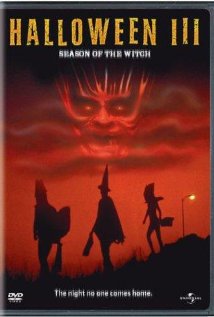
Let’s turn our head to sequels, 'cause let's face it baby, these days, you gotta have a sequel. A 2004 paper by Martin Harris examines the horror franchise. He draws on the concepts of postmodernism and the unsettling feeling of normal vs. not-normal. Why do the killers – Freddy, Michael, Jason – keep coming back? He argues that their resurrection in sequels engenders its own frightening uncertainty. Where is the threshold? When is dead really gone? Harris spends a good deal of time arguing that it is more the economic realities of Hollywood that drive the sequel-making process rather than a demand from moviegoers to revisit the killers. I can see a lot of truth in that as these are known properties that have relatively small budgets. But sequels also come with expectations. The author points out the case of Halloween III: Season of the Witch. You probably go into this movie expecting to see Michael Myers. Not so. Instead you end up with a weird children’s costume related plot. But, I guess these days we are much more likely to see a remake than a Halloween 12. Or even a prequel.

Whew. Have we covered everything? I think so. I tried to keep things general, talking mostly about major concepts that I hope got you thinking. If you like a particular topic then I encourage you to find the paper as they are all pretty good reads. And let me know your thoughts in the comments.

The references are, in order of their appearance:

ResearchBlogging.orgWee, Valerie (2005). The Scream Trilogy, "Hyperpostmodernism," and the Late-Nineties Teen Slasher Film Journal of Film and Video, 57 (3), 44-61

ResearchBlogging.org
Rathgeb, Douglas L. (1991). Bogeyman from the ID: Nightmare and Reality in Halloween and A Nightmare on Elm Street Journal of Popular Film and Television, 19 (1), 36-43 DOI: 10.1080/01956051.1991.9944106

ResearchBlogging.orgConnelly, K. (2007). Defeating the Male Monster in Halloween and Halloween H2O Journal of Popular Film and Television, 35 (1), 12-21 DOI: 10.3200/JPFT.35.1.12-21

ResearchBlogging.orgCowan, G., & O'Brien, M. (1990). Gender and survival vs. death in slasher films: A content analysis Sex Roles, 23 (3-4), 187-196 DOI: 10.1007/BF00289865

ResearchBlogging.orgRichard Nowell (2011). "There's More Than One Way to Lose Your Heart": The American Film Industry, Early Teen Slasher Films, and Female Youth Cinema Journal, 51 (1), 115-140 DOI: 10.1353/cj.2011.0073

ResearchBlogging.orgRyan Lizardi (2010). “Re-Imagining” Hegemony and Misogyny in the Contemporary Slasher Remake Journal of Popular Film and Television, 38 (3), 113-121 DOI: 10.1080/01956051003623464

ResearchBlogging.orgHarris, M., & Bennett, K. (2004). You Can't Kill the Boogeyman: Halloween III and the Modern Horror Franchise Journal of Popular Film and Television, 32 (3), 98-120 DOI: 10.3200/JPFT.32.3.98-120


History of Horror Films:

Horror Film History
Filmmaker IQ’s “A Brief History of Horror”
AMC filmsite’s “Horror Films”
The Cinephile Fix’s “The Roots and History of the Horror Film”
No Film School’s “From Nosferatu to Jigsaw: a Look at the History of Horror Films”

Oh, and it's worth a visit to the Final Girl blog too!

(image via Scream Wiki)

Thursday, October 23, 2014

Trick-or-Treating: What Do You Hand Out On Halloween?


Halloween is almost here. And you know what that means: Candy! It’s one of those Halloween traditions that I just never seem to have grown out of. Those little chocolate bars are seriously dangerous to my waistline. Remember how much Halloween candy you ate when you were a kid? Were you one of those kids who gorged on all that sugary goodness, or were you the type to parse it out and make it last? I was a Trader, that kid that made deals to trade all her bad candy for the good stuff. Anyway, the topic of Halloween candy got me to searching through the scholarly journals in search of an article for today’s post. I came across a paper that asks if children really need all of that candy on Halloween. My first instinct was “Of course they do! It’s Halloween!” But, well, read on…

It seems that being a fat American isn't just limited to adults, childhood obesity has been on the rise over the last 3 to 4 decades. Access to unhealthy foods and the poor nutritional quality of their diets is much to blame for this. The promotion and glorification of high sugar, high fat foods on Halloween is simply a good example. It probably comes as no surprise that research has shown that when children are given free access to tasty food that they eat it, especially if it’s sweet, even when they are not hungry. But is there a good alternative that kids will like? A slightly older paper published in Journal of Nutrition Education and Behavior investigated the option and value of nonfood treats as substitutes for candy on Halloween.

To do this, the researchers gave 284 trick-or-treating children a choice of a toy or candy. The toys included stretch pumpkin men, large glow-in-the-dark insects, Halloween theme stickers, and Halloween theme pencils. The candy choices were recognizable name brand lollipops, fruit-flavored chewy candies, fruit-flavored crunchy wafers, and “sweet and tart” hard candies. All of these toy and candy options ranged between 5 and 10 cents per item. When a trick-or-treating child arrived at a door, they were asked for their age, gender and a description of their Halloween costume (pretty typical…except maybe the gender question). Then they were presented with 2 identical plates: 1 with 4 different types of toys and the other with 4 different types of candy, alternating by site/household which on side the plates were located. Only children between 3 and 14 were included. And, if the child asked for both toy and candy, they were allowed to take both but were excluded from the study, but only 1 little girl did that.

The results of the study showed that children chose toys as often as they chose candy. This suggests that children may forego candy more readily than adults expect. The authors cite Social Cognitive Theory as providing a way for candy alternatives to become more commonplace. According to this Theory, when parents see that children are accepting the candy alternatives they are more likely to continue the new toy giving behavior. Factor in the other fun Halloween activities – dressing up, walking around the neighborhood at night, etc. – and these toy treats become positively associated with the fun and the holiday.

Okay, so what about the Halloween-only-comes-once-a-year argument. I’ll admit it is a good one and it something that the authors spend time to address. They point out that Halloween isn’t the only holiday where food and candy are advertised. Well, isn’t that the truth. They even make a nice list of other food laden holidays and events: weddings, new babies, graduation, back-to-school, birthdays, Christmas, Hanukkah, Valentine’s Day, Easter, St. Patrick’s Day, Cinco de Mayo, Earth Day (wait…you get food on Earth Day?), Mother’s Day, Father’s Day, and Independence Day. What they don’t add in are all of the other food-filled events that come seasonally (picnics, cook-outs, etc.) and socially (happy hours, get-togethers, etc.). Put together, that’s a lot of bad food choices all year long.

Ultimately, what the authors are getting at is promoting healthy choices throughout the year. Part of this is giving children healthier options and traditions. It is almost more of a change for adults than it is for children. Breaking those food habits and associations isn’t easy, y’all. Food isn’t love, no matter how many Hershey’s Kisses you give someone. Wow did that ever sound shrinky!

But I’ll throw in a last little note that I think almost every child on the planet would agree with: Don’t be that house than hands out toothbrushes.


ResearchBlogging.orgSchwartz, M., Chen, E., & Brownell, K. (2003). Trick, Treat, or Toy: Children Are Just as Likely to Choose Toys as Candy on Halloween Journal of Nutrition Education and Behavior, 35 (4), 207-209 DOI: 10.1016/S1499-4046(06)60335-7


(image and product via epicurious)
Related Posts with Thumbnails